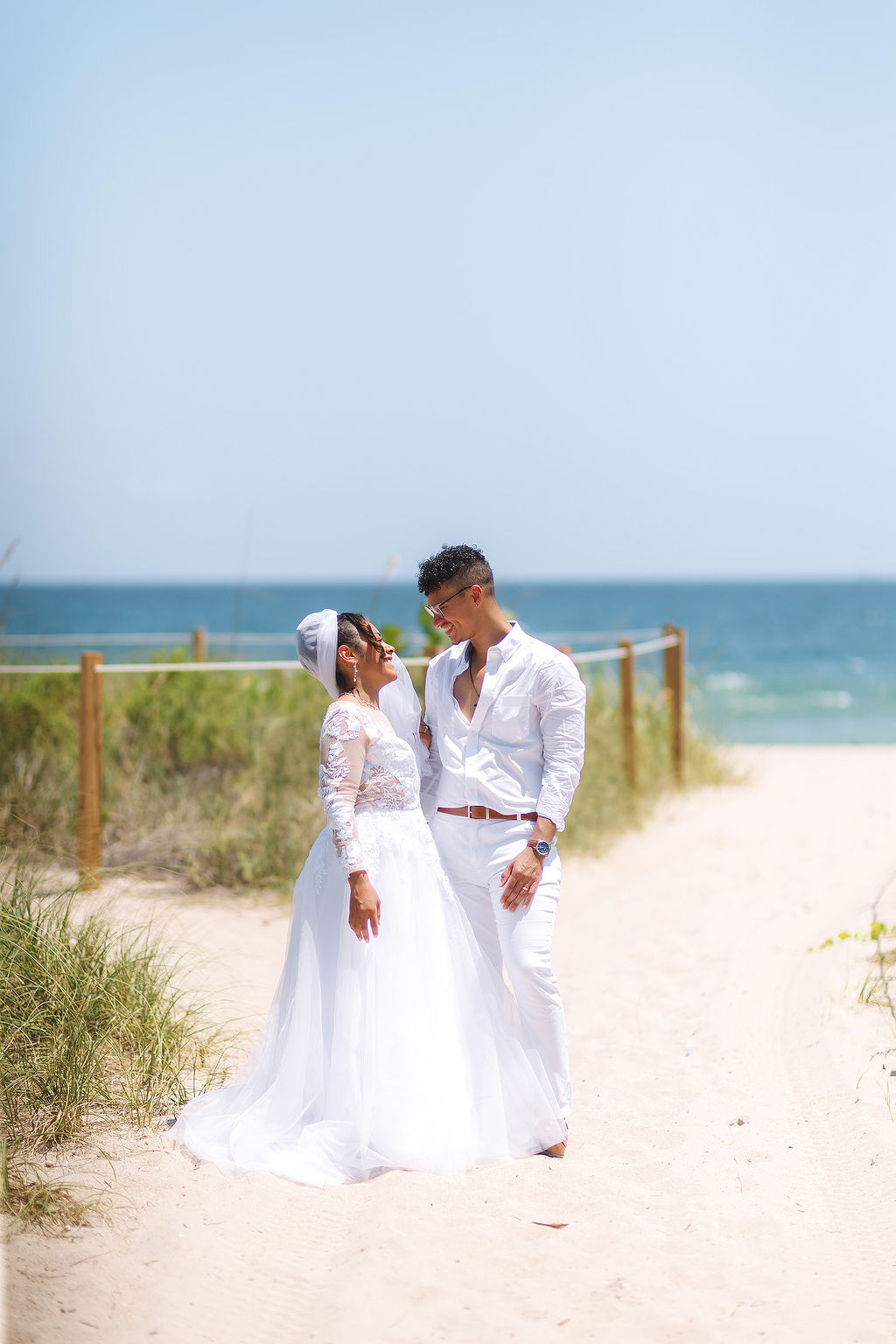
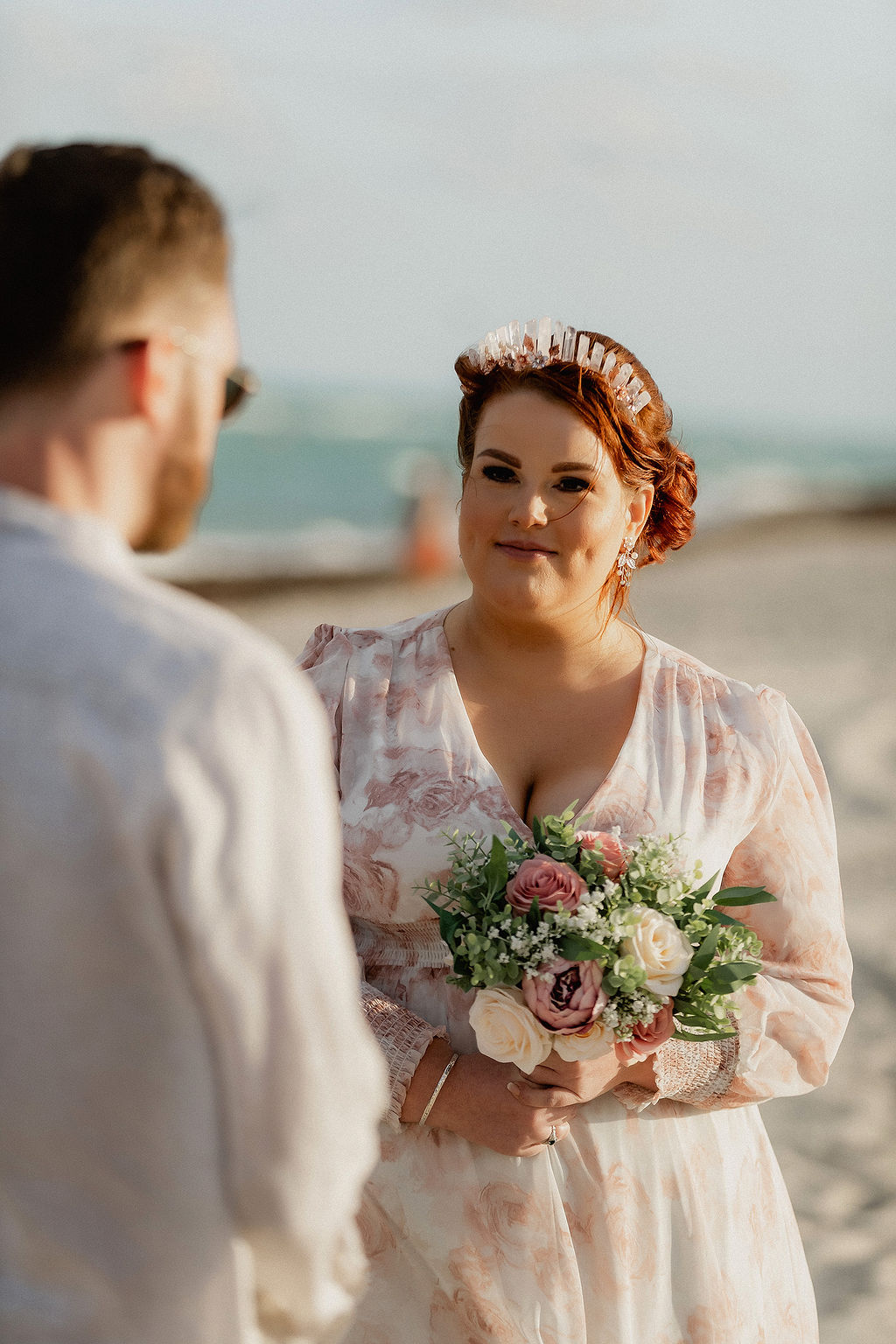
Kate and David called me on a Tuesday, nineteen days before the date they wanted to get married. They'd been engaged for six months, tried the traditional route, and hit a wall. "We just want each other, the ocean, and someone to make it legal," Kate told me. Nineteen days later, they stood barefoot on the sand at Crandon Park, exchanged vows they'd written on hotel stationery that morning, and had dinner at a quiet restaurant in Coconut Grove. It was, by every measure, perfect.
I share that story because most couples assume they need months — sometimes a full year — to plan a wedding of any kind. But an elopement isn't a traditional wedding. Thirty days is more than enough time. In many cases, it's the sweet spot: long enough to be thoughtful, short enough to keep the momentum and excitement alive.
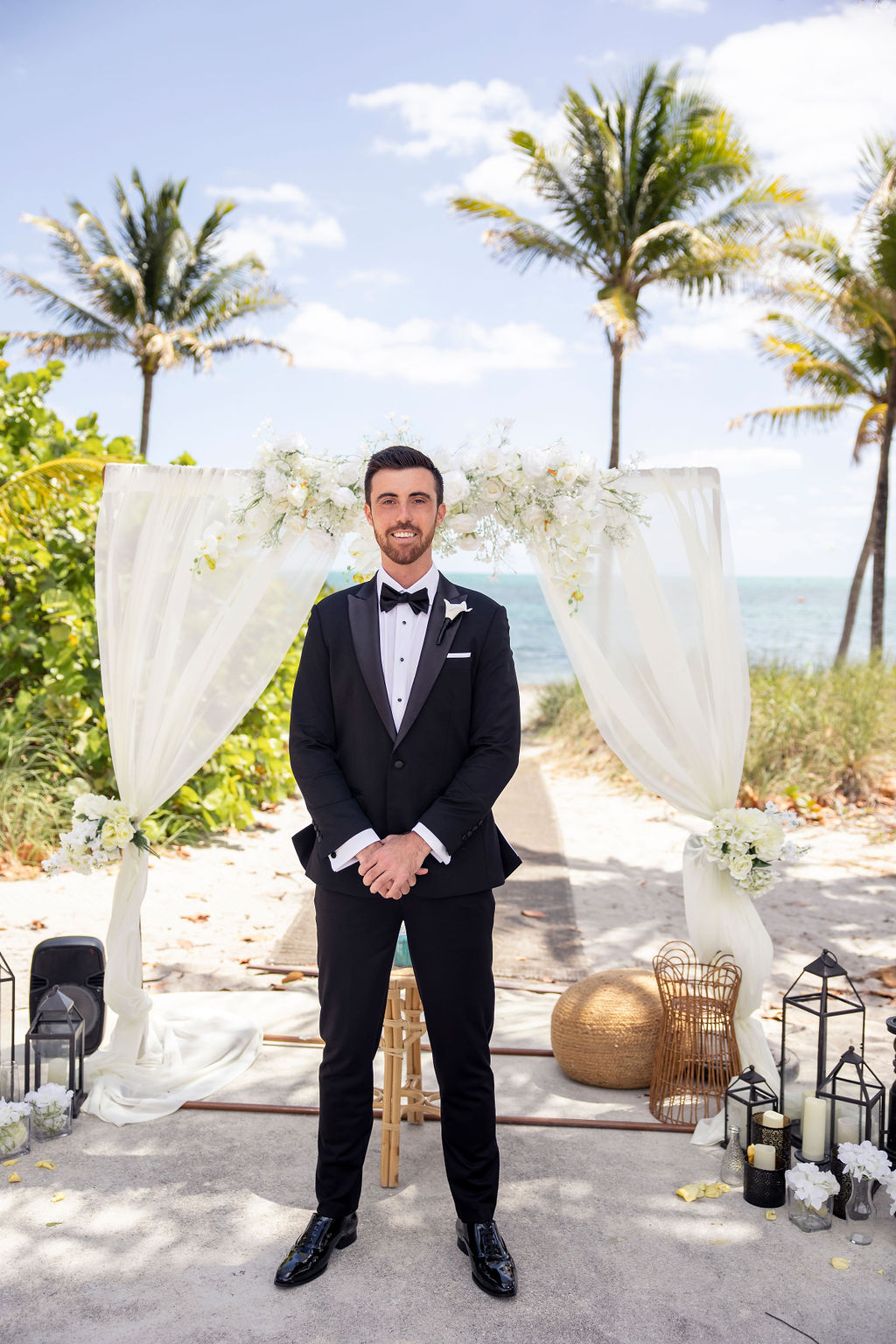
Can you really plan an elopement in 30 days?
Yes. And I don't say that lightly.
The reason a 30-day timeline works is that elopements eliminate the logistics that make traditional weddings take a year to plan. There are no seating charts. No catering tastings for 150 guests. No venue tours every Saturday for three months. No bridesmaids dress drama or groomsmen rental coordination.
An elopement comes down to a handful of decisions: where, when, who's officiating, who's photographing, and what you're wearing. That's the core of it. Everything else — flowers, hair and makeup, a dinner reservation — layers on top but doesn't require months of lead time.
I've planned elopements in as few as ten days. Thirty days gives us breathing room. It means we're not scrambling; we're being intentional. There's a real difference.
The key is having a plan. Not a binder-thick wedding plan, but a simple week-by-week roadmap. Here's the one I walk every couple through.
Week 1 — Vision, budget, and booking
The first week is about making the big decisions and locking them in.
Nail down your vision. This doesn't need to be complicated. Answer three questions: Beach or cityscape? Morning light or golden hour? Just the two of you, or a handful of your closest people? Those answers shape everything that follows.
Set your budget. Miami elopements typically run between $2,000 and $12,000 depending on how much you want to build around the ceremony. I've written a detailed cost breakdown that walks through every line item, but here's the short version: photography is your biggest investment, and it's the one you'll care about most a year from now.
Book your elopement package. This is the single most impactful thing you can do in week one. A package bundles the essentials — planner, photographer, officiant, florals — so you're not cold-calling vendors individually. Take a look at the elopement packages I offer to see what's included at each level.
Start the marriage license process. Florida makes this relatively painless. Both partners apply together at the county clerk's office. Florida residents have a three-day waiting period after the license is issued; out-of-state couples have no waiting period at all. The license is valid for 60 days. I walk through every step and requirement in the Florida marriage license guide, and I'd recommend reading it this week so nothing catches you off guard.
Week 2 — Vendors, outfits, and personal touches
With the foundation set, week two is where your elopement starts to take shape.
Vendor matching. If you're working with a planner, this is where the relationship pays for itself immediately. I match couples with photographers, officiants, and florists I've worked with dozens of times. You'll review portfolios and pick the people whose style resonates with you, but the vetting and availability checks are already done. What would take you two weeks of emails and phone calls takes a single afternoon.
Start writing your vows. Don't wait until the night before. Give yourself time to draft, sit with them, revise. They don't need to be long — some of the most powerful vows I've witnessed were four sentences. But they should be yours. Write them by hand if you can. Something about pen on paper makes the words land differently.
Shop for outfits. You don't need a custom gown or a bespoke suit (though you absolutely can if that's your thing). Many of my couples find their elopement outfits in a single shopping trip. The outfit guide covers what works for Miami's climate, what photographs well in outdoor light, and where to shop locally if you're arriving a day or two early.
Book travel and lodging. If you're coming from out of state, lock in flights and a hotel now. I always recommend arriving at least the day before your ceremony. You want to be rested, relaxed, and adjusted to the heat — not rushing from the airport to your getting-ready location.
Week 3 — Finalize everything
This is the week where loose ends get tied up. If you've followed the first two weeks, there's genuinely not much left.
Permits are filed. If your ceremony is at a public beach, park, or any county or state-managed property, a permit is required. Your planner handles this — I file permits regularly and know exactly which ones are needed for each location. Permit processing typically takes 3-5 business days, which is why we handle this now and not later.
Vendors are confirmed. Every vendor gets a confirmation with the date, time, location, and parking details. I send a detailed itinerary to everyone involved so there are zero questions on the day.
Finish your vows. If you started drafting in week two, this is when you finalize. Read them out loud to yourself. Time them. Aim for one to three minutes each. And bring a printed copy — phones die, hands shake, and reading off a folded piece of paper is more romantic anyway.
Break in your shoes. This sounds minor, but I've watched too many brides wince through their ceremony because they wore brand-new heels on sand. Wear them around the house for a few evenings. Better yet, if you're on the beach, consider going barefoot. Most of my couples do.
Confirm travel. Double-check flight times, hotel confirmation numbers, and any restaurant reservations for after the ceremony.
Week 4 — Show up and say I do
This is the part couples remember forever. And your only job is to be present.
Your planner manages the timeline, coordinates vendor arrivals, handles any last-minute adjustments (and there are always a few — a vendor running ten minutes late, a gust of wind rearranging flowers). You don't see any of that. You just see each other.
Here's what a typical ceremony day looks like for my couples:
2-3 hours before: Hair and makeup begins, usually at your hotel or rental. Your photographer arrives about an hour in to capture getting-ready moments — buttoning a shirt, adjusting a veil, the quiet nerves.
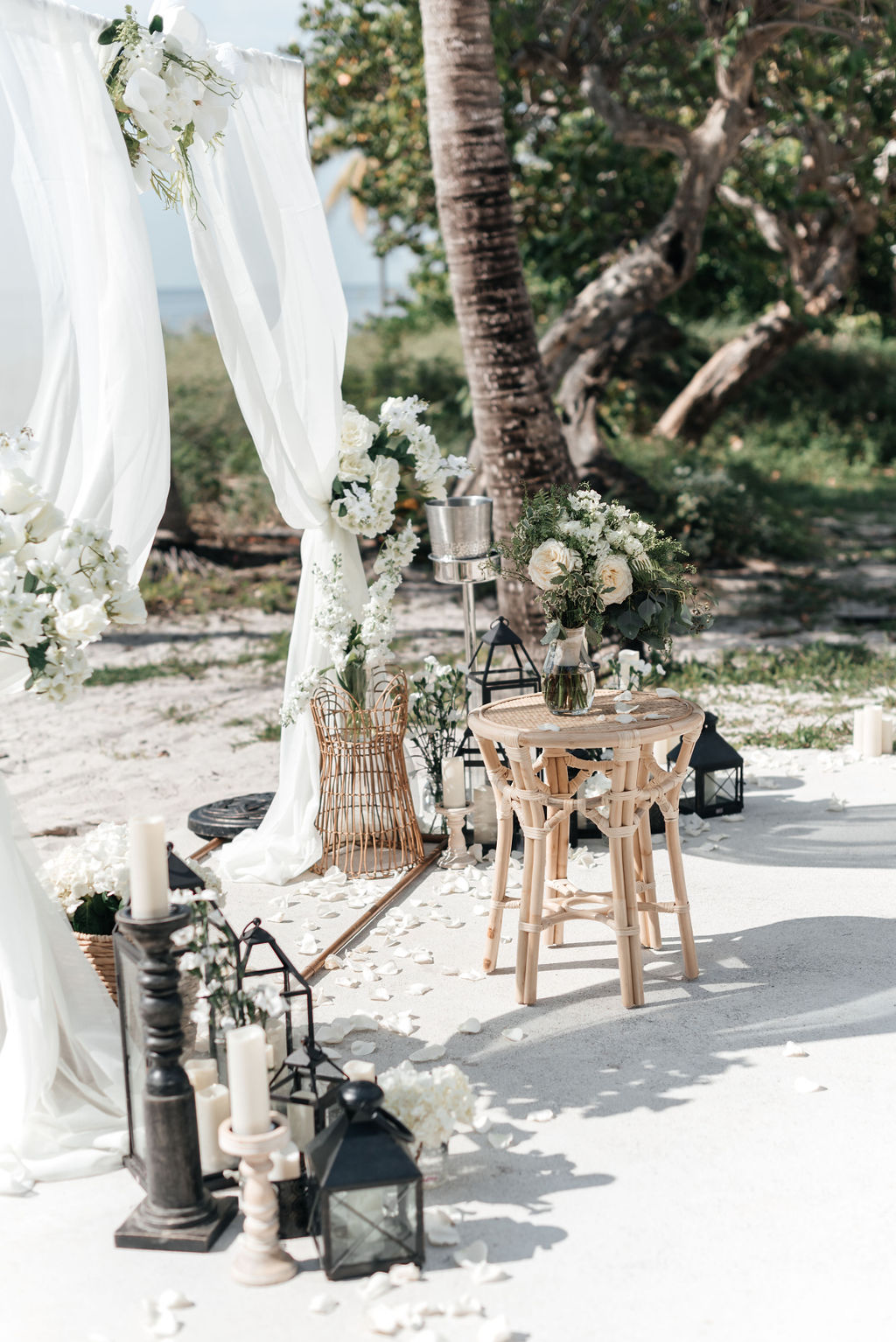
45 minutes before: You arrive at the ceremony location separately or together, depending on whether you want a first look. I set up the ceremony space while you take pre-ceremony portraits.
Ceremony: Twenty to thirty minutes of just you two, your officiant, and your vows. This is the part every couple tells me they wish lasted longer. Some cry. Some laugh. One groom I worked with forgot every word he'd memorized and just spoke from the gut. It was the best set of vows I've ever heard.
After the ceremony: An hour or so of couple portraits — walking the beach, exploring a nearby garden, catching the last light. This is when photographers get the shots you'll frame.
Dinner: Many of my couples book a quiet table somewhere special. Not a banquet. Just a great meal, a bottle of wine, and the still-buzzing feeling of what just happened.
What most couples forget
Even with a planner, there are things that slip through the cracks. I keep a running list of the most common oversights.
A backup weather plan. Miami weather is unpredictable, especially during summer months. I monitor forecasts closely and will suggest a morning pivot if afternoon storms are predicted. Having a flexible timeline — and a planner who knows indoor backup options — means rain doesn't ruin anything. It just changes the backdrop.
Name change documents. If you're planning to change your name, bring extra certified copies of your marriage certificate (you can order these when you apply for the license). You'll need them for Social Security, your driver's license, your passport, banks, and more. Doing this paperwork while the process is fresh saves you headaches later.
Vendor tips. Tipping is customary and often forgotten in the elopement rush. Plan for $50-100 per vendor — photographer, officiant, hair and makeup artist, florist if they're delivering on-site. Have cash in envelopes ready the morning of. Your planner can distribute them so you don't have to think about it during the day.
Sunscreen. I can't stress this enough. An outdoor ceremony in Miami means direct sun, and a sunburn that shows up in every photo is not the look you want. Apply SPF 50 at least 30 minutes before the ceremony, and choose a mineral sunscreen that won't leave a white cast in photos.
A change of clothes. Your ceremony outfit is gorgeous, but you may not want to wear a floor-length dress or a full suit to dinner afterward. Pack something comfortable and celebratory. A silk slip dress. Linen pants and a nice shirt. Something that says "we just got married" without requiring a bustle.
Your 30-day checklist
Here's everything condensed into a scannable, week-by-week list. Print it, screenshot it, or just bookmark this page.
Week 1: Foundation
- Define your vision (location style, time of day, guest count)
- Set your budget range
- Book your elopement package
- Begin marriage license application
- Start a shared Pinterest board or photo folder for inspiration
Week 2: Build
- Review and select your photographer, officiant, and florist
- Begin writing vows
- Shop for ceremony outfits
- Book flights and hotel
- Book hair and makeup artist
- Make dinner reservations for after the ceremony
Week 3: Confirm
- Permits filed (your planner handles this)
- All vendors confirmed with final itinerary
- Finalize and print vows
- Break in ceremony shoes
- Confirm travel details and check-in times
- Prepare vendor tip envelopes ($50-100 each, cash)
Week 4: Celebrate
- Arrive in Miami (ideally the day before)
- Pick up marriage license at county clerk's office
- Attend ceremony rehearsal walk-through (if included in your package)
- Get married
- Submit signed license to the clerk's office (your officiant typically handles this)
- Celebrate
Why a planner makes the 30-day timeline work
I'll be honest: the 30-day timeline is very doable with a planner. Without one, it's tight.
The reason comes down to relationships. I've worked with my vendors for years. When I reach out to a photographer on Monday, I have availability confirmed by Tuesday. When a couple emails that same photographer cold, they might wait three to five days for a response, then go through a discovery call, then wait for a proposal. That back-and-forth eats a week easily — and you're doing it for every single vendor.
Permits are another example. I know which locations require them, which office to file with, what the processing time is, and which backup locations work if a permit isn't approved in time. A couple Googling "do I need a permit for a beach ceremony in Miami" will spend an afternoon going in circles.
Then there's day-of coordination. Even a small elopement has a timeline — hair and makeup start time, photographer arrival, travel to the ceremony site, ceremony itself, portrait time, dinner. Without someone managing that timeline, the day can drift. I've seen couples miss golden hour because getting ready ran long and nobody was watching the clock.
A planner doesn't just make the 30-day timeline possible. A planner makes it feel easy.
Frequently asked questions
Is 30 days enough time to plan an elopement?
Absolutely. Most of the elopements I plan come together in three to five weeks. The streamlined nature of an elopement — fewer vendors, no large guest list, no reception logistics — means 30 days gives you plenty of room. The couples who feel rushed are usually the ones trying to plan without help. With a planner coordinating vendors and permits, 30 days feels comfortable, not chaotic.
What's the first thing I should do when planning an elopement?
Get aligned with your partner on the basics: where, when, and how big. Once you agree on those three things, everything else falls into place quickly. I'd also recommend booking a planner or elopement package early in that first week, because that single decision unlocks vendor access, permit handling, and a clear timeline for everything that follows.
Do I need a wedding planner for an elopement?
You don't need one, but the value is hard to overstate — especially on a compressed timeline. A planner brings vetted vendor relationships (so you skip weeks of research), handles permits and logistics, builds your day-of timeline, and solves problems before you even know they exist. For couples planning in 30 days or less, a planner is the difference between feeling organized and feeling overwhelmed.
How early should I book my elopement photographer?
As early as possible, but realistically, most photographers can accommodate bookings with two to three weeks' notice if they have availability. Peak season in Miami (October through April) books faster, so the earlier the better during those months. The advantage of working with a planner is that I know which photographers have open dates right now, so we skip the guessing game entirely.